
E-commerce is nothing without Logistics. That is GIG company slogan, one of the most renowned courier company. Today, we will explore the CAC registration guide for logistics company in Nigeria, cost and requirements.
Overview of The Logistics Industry in Nigeria
A recent data by International trade Organization revealed that Nigeria’s logistics and freight market is valued at about $2 billion and is expected to reach $3 billion by 2029.
This rapid expansion is primarily driven by e-commerce growth and infrastructure upgrades, with Lagos, Abuja, and Port Harcourt acting as the major industry hubs.
The recent dominance and market penetration of Temu has once again given ecommerce and logistic companies an opportunity to thrive in Nigeria.
If you meet 20 people today, there is chance that at least 10 of them have purchased something online before and have it delivered through courier services
As the world keeps changing, people develop more ideas and increasing need for comfort and ease of doing things like shopping online without leaving your home has increased
This increasing need and demand for digital shopping has given rise to logistics company’s and a market for the business to thrive.
If you are looking forward to starting a logistics company in Nigeria, then you are in the right spot.
About Logistics Companies
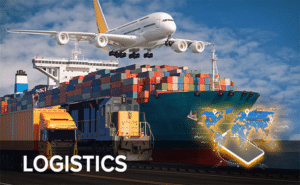
Logistics and courier companies are companies that engage in the movement of goods from one location to another which usually involves 2 parties, the company (seller) and the buyer (costumer).
In a broad sense, A logistics company manages goods and the whole process of transporting raw materials to a factory to delivering the final product to a customer’s doorstep
Logistics are the backbone of supply chain for ecommerce companies all around the world and without it, the entire e-commerce ecosystem will collapse.
Types of Logistics Business in Nigeria
In Nigeria, we have different categories of logistics companies that operate within the chain of supply.
1. Delivery and Dispatch Services
These are small dispatch companies that engage in daily door-to-door delivery. That dispatch rider that always delivers your shawarma to your doorstep each time you order from your favorite plug falls under this category.
Companies under this category usually use delivery bikes with helmet, a small carriage at the back and a rider who usually rides the bike from one location to another and make daily deliveries.
They operate within cities delivering foods, parcels and documents from one point to another.
Examples of bike delivery services companies are
- Gokada
- Kwik Delivery
- Peng Logistics
- Bling
- Flash Ride Logistics
2. Courier Services
Courier services are usually more advanced than the bikes. Even though they also use bikes. Their delivery coverage expands between cities and sometimes, nationally.
They deliver all kinds of packages such as foods, parcels and documents and boxes of larger sizes across cities and nationally.
3. Haulage and Trucking Services
These are delivery trucks engaged in transporting large quantities of livestock, goods or heavy cargo from one state to another.
Those trucks you usually see on our roads carrying livestock, and other goods on our busy roads fall in this category.
Industries such as agro, construction and manufacturing companies that deal with large quantity of goods usually engage in haulage services
4. Freight Forwarding Services
These are big companies that engage in container shipments of goods internationally through land, air or sea.
Goods under this category must pass through rigorous customs clearance, shipping documentation, and cargo logistics
There is high risk involved in this kind of transportation because during accidents, some containers get lost in the sea.
5. E-commerce Logistics Services
Ecommerce brands like Temu usually offer specialized logistics for online businesses and e-commerce stores.
They engage in supply chain management which includes recording client orders, tracking inventory management, packaging, and last-mile delivery.
They have integrated marketplace and websites for the overall supply chain experience and end-to-end logistics support for online sales.
6. Warehouse and Distribution Services
Warehousing companies under the e-commerce and logistics chain usually focus on storage, inventory management, and systemic distribution of goods across regions.
These companies operate warehouses where products are stored before delivery to customers or retailers.
Best Business Structure for a Logistics Company
Under CAC registration, we have
- Business Name
- Company
- Incorporated Trustee
From the list above, the best and most fit category for Logistics business will be to register it as a private company limited by shares with the designated share capital.
CAC Registration Requirements For Logistics Company in Nigeria
To register a logistics company with CAC in Nigeria, you need the following
- 2 to 3 Proposed company names (in case the desired name is not available)
- Operating company address. A logistics company must have an office
- Clearly written out company objectives (Otherwise called objects of memorandum)
- Article of association (which can be adopted freely from CAC by default)
- Director and Shareholder Information such as name, DOB, nationality, occupation,
- Means of Identification of Directors and shareholders
- Contact address of directors and shareholders
- Witness information and signature
- A profession or agent who will be engaged to handle the registration
Practical Guide To CAC Registration For Logistics Company in Nigeria
- Visit the company registration portal
- Login with your accredited agent details (we recommend agent portal)
- Proceed and conduct name availability check
- Reserve the approved name by paying the reservation fee
- Start the registration by filling all company information
- Provide a witness and adopt articles of association
- Clearly type out the nature or objects of business
- Fill the director and shareholder information
- Choose the company share capital and allot shares
- Complete statement of compliance
- Upload all relevant IDs of the parties involved together with their signatures
- Make CAC payment and stamp duty fees
- Submit the application and wait for approval
- Once approved, obtain your CAC certificate
The pending application will take about 7 to 15 working days, and you will get approval.
Share Capital Structure For Logistics Company
Before registering a logistics company in Nigeria, it will be wise to understand the nature of the transport the company wishes to engage in and checkout the designated share capital.
Below is the minimum share capital for logistics and transport companies
- Air Transportation (international): 2 billion shares
- Air Transport (regional): 1 billion shares
- Air Transport (local): 500 million shares
- Shipping company/agent: 25 million shares
- Freight forwarding: 5 million shares
- General small courier company: 1 million shares
CAC Registration Cost For Logistics Company
You will be paying,
- CAC statutory fee
- Stamp Duty fee
- Professional fee
However, this fee will be highly influenced by the share capital of the company. The higher the share capital, the higher the cost of registration (e.g if the company engages in sea shipment, freight forwarding e.t.c)
Nevertheless, small dispatch companies can be registered with a share capital of 1 million shares (local courier service)
So to do register a logistics company with a share capital 1 million shares will cost around ₦70,000 to ₦100,000 depending on the agent doing the registration and other documents involved
Please take note that the fees above only applies if the company falls within the category of 1 million shares.
The company will also be spending to secure the NIPOST courier license (which is not included in our fee)
Licenses And Permits For Courier And Logistics Companies
After CAC registration, irrespective of how small the logistics company is, you should try to get the needed compliance documents and register with the right regulatory authority for licenses and permits.
This includes;
- TIN Registration with Nigerian revenue service or Joint Revenue Board
- Tax Promax registration with Rev360
- Obtain a Tax clearance certificate
- BPP, PENCOM, ITF And NSITF registration (in most cases, if the company has large staff based and also wants to contract with the government)
- Obtain EFCC SCUML certificate
- Register with Nigerian Postal Service and secure a license to operate as a courier company
- Get road worthiness certificate
- Import license from relevant authorities
- Register and obtain police character certificate
- Secure a driver’s license where applicable
- Insure your vehicles, trucks and bikes
What You Should Avoid Doing
- Choosing the wrong share capital
- Using restricted words in the company name
- Adding business objects that fall in a different (higher) share capital
- Ignoring industry compliance
- Failure to register with the relevant tax and local authority
Frequently Asked Questions
Can A logistics company be registered under Business name enterprise?
No. The best registration type is a private company limited by shares
Does a logistics company need NIPOST license
Yes
How long does it take to register a logistics company with CAC in Nigeria
About 7 to 15 working days
How much does it cost to register a courier company with CAC
With a share capital of 1 million, it should cost about ₦70,000 to ₦100,000
Can a non Nigerian register and set up a logistics company in Nigeria?
Yes. However, the registration must be done using 100 million shares
What other licenses do I need after registration?
Does Logistics companies operate the same as travel agencies?
No. Logistics companies and travel agencies are different businesses, although both may be involved in transportation-related services.
Conclusion



Comments 0
No comments yet
Be the first to share your thoughts.
Leave a Comment
Your email will not be published.